



WHY ARE LVT FLOORING SO POPULAR?
What is Luxury Vinyl Tile (LVT) Flooring?
Luxury Vinyl Tile, commonly known as LVT, is a flooring material designed to mimic the appearance of natural wood or stone. Despite its realistic look, LVT is made up of multiple thin, flexible layers that can be easily cut with a utility knife. This durable flooring option offers the warmth and aesthetic appeal similar to carpet, combined with the practical benefits of tile.
Available in a wide variety of styles—perfect for bathrooms, kitchens, and other areas—LVT is a versatile choice that fits many rooms throughout the home. Its straightforward installation process also makes it popular among DIY enthusiasts and budget-conscious homeowners.
Why Are Lvt Tiles So Popular?
Luxury floor tiles are a popular choice for many areas of the home, and different types are more suited to different rooms.
So what are the key benefits of LVT flooring?
On the whole, they are warmer and more sound insulating than regular ceramic or porcelain tiles as well as thinner, a plus if you can’t add too much depth to an existing floor.
Much more durable than real wood, LVT flooring still offers the texture and grain detailing of the real thing but don’t scratch or wear as easily. Or, if you prefer the look of stone, stone effect LVT are a more budget friendly option and require very little maintenance.
Cleaning LVT flooring is easy, all you really need is a hoover and a mop. Get all the tricks and tips with our guide on how to clean LVT flooring.
Is LVT waterproof? Yes it is. LVT has a rigid PVC core as well as a top wear layer treated to be waterproof, so both sides of the board can resist water. Unlike other types of flooring, like laminate and engineered wood, which are sometimes only water resistant and never waterproof, so you’ll always have peace of mind that your LVT flooring will last.
What Is Lvt Flooring Made Of?
Luxury Vinyl Tile (LVT) flooring is primarily made of multiple layers of polyvinyl chloride (PVC), often with a decorative printed layer mimicking wood or stone, and a protective topcoat of urethane. It's a durable, low-maintenance flooring option known for its ability to replicate the look of natural materials.
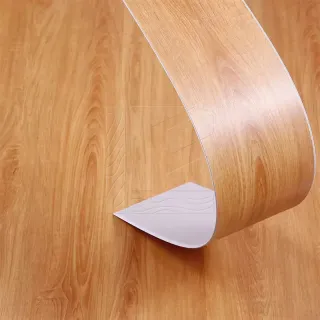
Here's a more detailed breakdown:
Resilient Vinyl Backing:
This layer provides a stable base for the other layers and helps with flexibility and ease of installation.
Vinyl Core Layer:
This layer is made of PVC and can also include other materials like wood plastic composite (WPC) or stone plastic composite (SPC) for added durability and stability.
Photographic Print Layer:
This layer is a digitally printed film that creates the realistic wood, stone, or other designs that LVT is known for.
Protective Urethane or Polyurethane (PU) Coating:
This top layer provides resistance to scratches, scuffs, and stains, enhancing the floor's durability and making it easier to clean.
Optional Features:
Some LVT products include additional layers like an acoustic backing for sound dampening or a textured surface for improved grip and realism.
Features of LVT Flooring:
Realistic Appearance:
LVT realistically replicates the look of wood, stone, marble, and other natural materials.
Durability:
LVT is known for its scratch, stain, and water resistance, making it suitable for high-traffic areas and moisture-prone spaces like kitchens and bathrooms.
Low Maintenance:
LVT is easy to clean and maintain, requiring minimal upkeep.
Versatility:
LVT can be installed in various rooms and settings, including kitchens, bathrooms, living rooms, and hallways.
Comfort:
LVT offers a comfortable underfoot feel, and some options come with built-in underlay for added warmth and sound insulation.
Ease of Installation:
Many LVT options feature click-lock or other easy-to-install systems, making DIY installation possible.
In conclusion, LVT flooring offers a stylish, durable, and low-maintenance alternative to natural materials, making it a popular choice for a wide range of applications.